What happens after you submit a request
The information you submit may be sold or forwarded to one or more independent contractors or referral partners. A recipient may contact you directly, but a response, price, schedule, or available provider is not guaranteed. This website does not perform the requested work and does not select or endorse a contractor for you.
What to ask before hiring
Ask any contractor that contacts you for its legal business identity, applicable license and insurance information, references, portfolio or examples of past work, customer feedback, itemized estimate, permit plan, written contract, and warranty terms. Verify important information with the appropriate official source before signing or paying.
Garage Door Opener Repair: How the process works
Step 1 — Submit your request: Provide a brief description of the problem, your ZIP code, and contact details. Photos and the opener model number help contractors assess the issue before they call. Step 2 — We forward your request: We may sell or forward the information you provide to independent contractors or third‑party referral/lead partners. Step 3 — Contractors contact you: Contractors or partners that receive your request may contact you directly to ask follow‑up questions, arrange a visit, or provide an estimate. Step 4 — You decide: Any contractor that contacts you is independent. You choose whether to engage them, request a written estimate, or get a second opinion. Response times, availability, and costs vary by contractor; we do not guarantee same‑day contact or appointments.
What we collect and share
We collect project details and contact information you enter on the form (for example: description of the problem, photos, opener model, ZIP code, and how to reach you). We may share or sell that information to independent contractors or lead partners so they can contact you directly about repairs.
Limitations and what we do not do
We do not perform repair work, dispatch technicians, select or vet contractors on your behalf, present contractor profiles, or provide direct comparisons. We also do not guarantee pricing, workmanship, schedule, or the conduct of any third party that contacts you.
How to prepare for a Garage Door Opener Repair
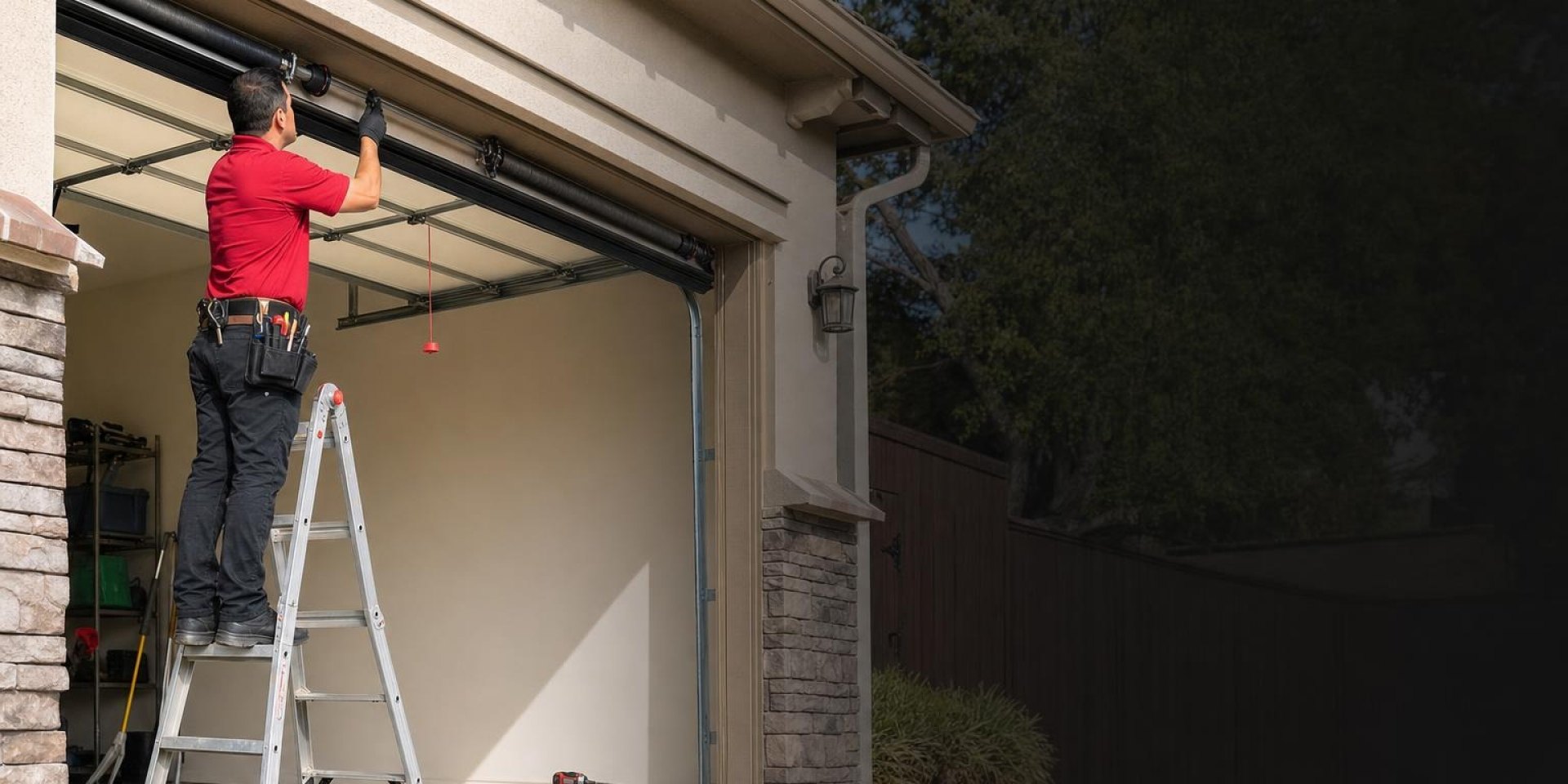
Gather the opener model number and brand, take clear photos of the opener and any visible components (motor unit, rail, belt/chain, safety sensors, wall control), and note specific symptoms (does the opener hum, click, not respond to remotes, reverse unexpectedly, or make grinding noises?). Note whether the door moves manually and whether safety sensors are aligned. If possible, check simple items first: remote batteries, a tripped circuit breaker, and whether the wall button works. Do not attempt repairs that involve spring or cable tension or live electrical work — those are hazardous and should be handled by qualified professionals.
Photos and details that help a contractor
Clear photos of the opener motor, rail, garage door panels, safety sensors, and the wall control model number are most helpful. A short video showing the symptom (audio helps for grinding or clicking) can speed diagnosis.
Common causes and what contractors often check
Common opener issues include power or electrical faults, remote or receiver problems, misaligned safety sensors, worn gears or sprockets, damaged belts or chains, motor or circuit board failures, limit switch or travel adjustments, and loose or damaged wiring. Contractors typically inspect the opener unit, test electrical supply, verify sensor alignment, run diagnostic cycles, and check the door balance and spring condition (spring work is specialized). Diagnostics narrow the problem before parts are ordered or repairs begin.
Typical diagnostic steps
1) Verify power and wall control operation. 2) Test remote and keyless entry. 3) Inspect sensors and wiring. 4) Run the opener and listen for abnormal sounds. 5) Check door balance and manual release. 6) Identify worn mechanical parts or electrical faults. Contractors will explain findings and provide a written estimate if requested.
What to ask any contractor who contacts you
Before you agree to work, ask each contractor for: their full business name and contact information; proof of relevant licenses required in your area; proof of liability insurance and worker’s compensation (if applicable); references or examples of past work; customer feedback or ways to verify past performance; a detailed written estimate that lists parts, labor, and permits (if required); any necessary permit plans and who will obtain permits; a written contract outlining scope and payment schedule; and the warranty or guarantee on parts and labor. If unsure, ask to see identification when a technician arrives and verify licensing and insurance directly with the issuing authority.
Permits and code work
Some repairs or replacements may require a permit or must meet local code. Ask the contractor whether a permit is needed, who will obtain it, and how code compliance will be documented.
Safety and our responsibilities
Safety: Never attempt repairs involving torsion springs, cables under tension, or live electrical components unless you are qualified. Those tasks present serious injury risk. Our responsibilities: we operate the referral platform and may forward or sell lead information to independent contractors or partners. We do not control or supervise contractors, and we do not guarantee their work. Verify credentials and obtain written estimates and contracts before work begins.
If something goes wrong
If you have a concern about a contractor’s work, address it first with the contractor and request documentation (invoice, warranty, photos of completed work). For licensing or insurance disputes, contact the issuing authority or your insurance provider. We can’t resolve on-site performance issues because contractors are independent entities; however, you may ask us about how your contact information was shared.